Call of Duty® (2003)
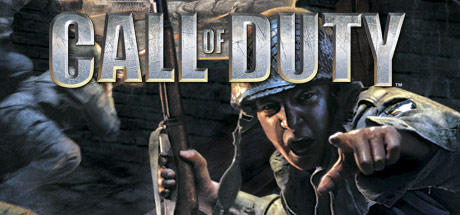
" Immersive WWII action shooter with cinematic campaigns but dated graphics and AI flaws "
Call of Duty® (2003) Review
Call of Duty (2003) remains a significant milestone in FPS gaming, praised for its immersive World War II campaigns and squad-based gameplay. Players appreciate its cinematic missions that evoke intense wartime scenarios, such as the defense of Pavlov's House, delivering a thrilling and nostalgic experience even decades later. The game features solid gunplay and historically grounded settings, despite some dated graphics and repetitive level designs. However, players often highlight the lack of health regeneration, reliance on health packs, and occasional frustrating AI behavior as notable drawbacks. The narrative is considered functional but not deeply engaging, primarily conveyed through loading screen texts and brief cutscenes. Despite its age, the game still enjoys active player communities and is valued for its authentic atmosphere and sound design. While some criticize its pricing and technical quirks, the first Call of Duty is widely regarded as a classic that helped shape modern military shooters with enduring replay value and historical significance.
Overall, it is recommended for fans of classic FPS titles and those interested in gaming history, offering a challenging but rewarding experience with a few rough edges typical of its era.
Highlights
Players praise the game's intense and cinematic WWII campaigns, especially the memorable defense of Pavlov's House mission. The squad-based AI and dynamic enemy encounters create a rewarding tactical experience. The sound design and atmosphere effectively immerse players in wartime settings, complemented by historically accurate weapons and environments. Despite dated visuals, the gameplay mechanics remain accessible and enjoyable, with satisfying gunplay and a strong nostalgic appeal. The game’s replayability and continued active player base underscore its lasting impact on the FPS genre.
Criticisms
Common criticisms focus on the outdated graphics and repetitive level design, with some missions reusing environments. The health system, relying on scarce medkits instead of regeneration, leads to frustrating save-scumming. Enemy AI can be overly punishing, with instant targeting and suppressive fire causing frequent deaths. Stationary weapon sections and inconsistent shooting mechanics sometimes detract from gameplay fluidity. The narrative delivery is minimal and lacks depth, relying on text slides rather than engaging storytelling. Some players also find the pricing excessive given the game's age and technical limitations.
Pros
- • Immersive and cinematic WWII campaign missions with strong atmosphere and sound design.
- • Challenging squad-based gameplay with rewarding tactical enemy engagements.
- • Historically accurate weapons and environments enhance authenticity.
- • Memorable missions like the defense of Pavlov's House provide intense gameplay.
- • Accessible gunplay mechanics that remain enjoyable despite age.
- • Active player community keeps multiplayer alive after decades.
- • Nostalgic value for longtime fans of the series and FPS genre.
Cons
- • Dated graphics and repetitive level design reduce visual appeal.
- • Health system with medkits causes frustrating save-scumming.
- • Enemy AI can be overly punishing and sometimes unrealistic.
- • Stationary weapon sections can feel unfair and block progress.
- • Inconsistent shooting mechanics make aiming feel unreliable.
- • Minimal and dry narrative presentation through loading screens.
- • Reused maps with little variation between missions.
Rating Criteria




Call of Duty® delivers the gritty realism and cinematic intensity of World War II's epic battlefield moments like never before.
User Reviews
Online Reviews
